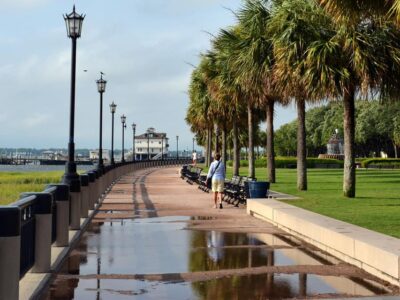

There is a state in the Deep South that engenders a certain immediate image in most Americans when they hear its name mentioned: lazy summer days, tall, droopy weeping willow trees, and long, dusty dirt roads. Images of citizens with syrupy drawls of an Antebellum accent wafting out of a screen door onto a wrap-around porch, iced tea and lemonade, rolling fields of cotton, and riverboats rolling off a gentle Gulf of Mexico tide.
However, there is much more to the great state of Mississippi than these caricatures would have one believe. But, there is some truth to the old canards about the “Magnolia State,” as its position in the fertile Mississippi River Delta region does and has influenced how the area and the state operate.
The tedious, ponderous nature of yearlong farming and the slow-moving Mississippi River trade have sent supplies up and down the great River for decades — and still do.
The generally methodical, unhurried way people in the South tend to approach daily life is present in the 20th state admitted to the Union.
But Mississippi is more than just a sleepy hamlet tucked away in the Southeastern region of the U.S. to be forgotten about! Its history and lineage are as important to the American story as any of its contemporaries in the region or country.
The telling of its story can be found in its four National Monuments. Read on to learn more:
Medgar And Myrlie Evers Home National Monument: As if openly defying the caricature of the state, this destination reminds visitors that there was a time when Mississippi was on the front lines of one of the most important movements in American history. In the 1950s and 60s, Medgar Evans and his wife, Myrlie, were some of the foremost civil rights leaders in their area, and Medgar’s assassination in 1963 was one of the ultimate catalysts for the passage of the Civil Rights Act of 1964. Today, Myrlie and their children carry on his legacy. Visitors to the monument, housed at the site of their home, can learn more about the incredible sacrifice made by these American heroes and those just like them during those tumultuous days.

Photo Courtesy NPS
Tupelo National Battlefield: Mississippi’s racial division stretches back decades, before the Civil War, due to its prominence as a slave state before the Emancipation Proclamation and cessation of the Civil War. There were numerous bloody battles in its boundaries. One is immortalized here at Tupelo National Battlefield outside of Tupelo, Mississippi. In 1864, nearing the end of the war, Union forces entered Tupelo to face disorganized Confederate forces, who could not turn the Union forces away. While not a significant victory for the North, the Union’s successful attack prevented Confederate forces from taking strategic railroad positions. This monument is a must-see for military and Civil War history buffs.

Photo Courtesy NPS
Mississippi State Capitol: The halls of power in the “Hospitality State” can be found in the capital city of Jackson, Mississippi. The capitol is open to the public to learn more about the workings of the state and local government. Architecture lovers, in addition to civic-minded visitors, will appreciate the building’s Beaux Arts style, which was a part of the 20th-century American classical revival in architecture. Visitors can take guided tours, experience various exhibits, and even participate in the public gallery as legislative and judicial work is being done in real time. This Mississippi landmark is an opportunity to see how the government has worked in the past and continues to work today.

Photo Courtesy MS Leg
LeFleur’s Bluff State Park: An attraction of a different kind can be found near the Mississippi State Capitol at this incredible oasis of a State Park. LeFLeur’s Bluff, named for famed French explorer Louis LeFleur, is a 305-acre park in the heart of Jackson that offers hiking, picnicking, camping, fighting, and even a nine-hole disc golf course! Surrounded by nearby shopping, dining, and a museum, LeFleur’s Bluff is at the beating heart of the capital city of the Magnolia State. It’s a popular attraction for locals and people passing through.
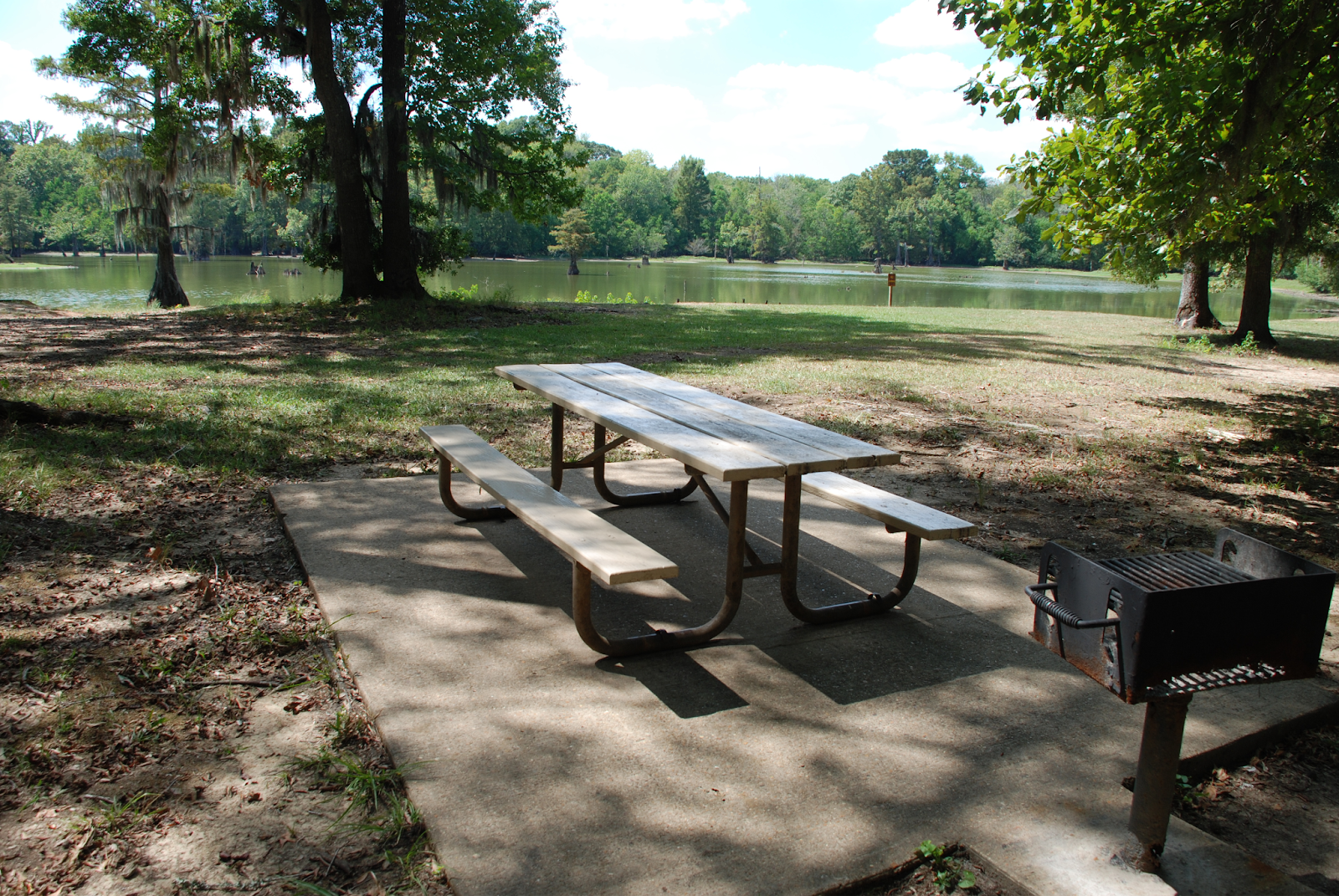
Photo Courtesy Mississippi Wildlife, Fisheries, and Parks