
Massachusetts holds much of the essential history of the early United States of America. For thousands of years, the area was home to the Massachusett, Wampanoag, Nipmuc, Pocumtuc, Nonotuck Mohawk, Mohican, and Pawtucket Tribes. Puritan settlers created the Massachusetts Bay Colony in 1630. The state ratified the constitution in 1788, making it the sixth of the original 13 colonies to join the Union.
Elementary-age American children learn the history of the Boston Tea Party, Paul Revere, and the American Revolutionary War as early as they can memorize it. A part of Massachusetts’ lore also is those who can call it their birthplace.
Many Americans who have impacted the trajectory of the United States claim Massachusetts as home. From Benjamin Franklin, a “founding father” and first postmaster general, to John F. Kennedy, the 35th president of the U.S., this New England state has produced many people who have contributed to the country’s political, artistic, and educational evolution.
Some of these essential stories of some of Massachusett’s sons and daughters are kept in the Bay State’s National Monuments. Read on to learn more!
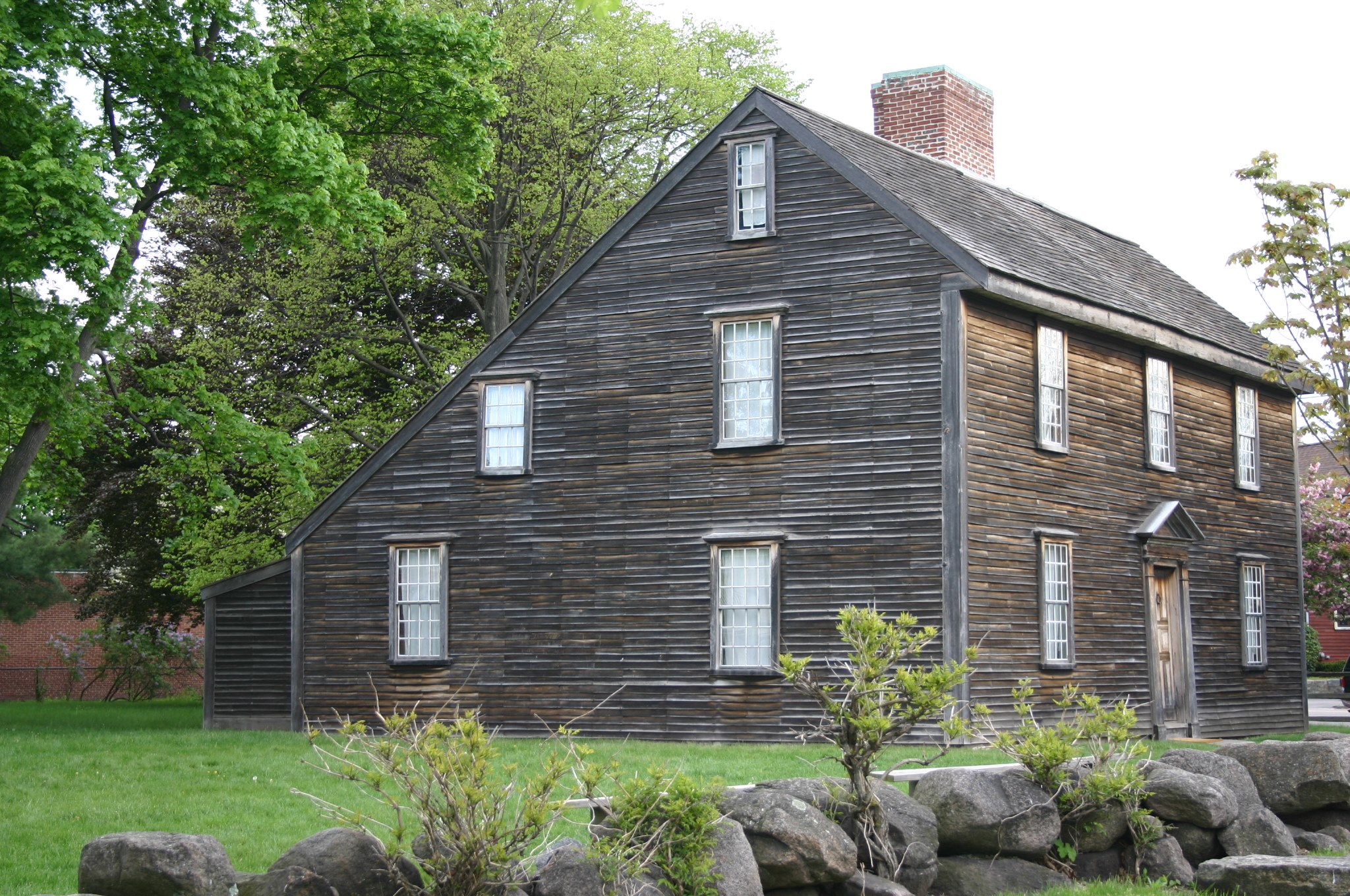
John Adams Birthplace: John Adams is a central and unique figure in the formation of the U.S. He was a signer of the Declaration of Independence, the principal author of the Constitution, the first vice president, and the second U.S. president. His birthplace — where he lived in Quincy, Massachusetts, from 1735 until his marriage in 1764 — was designated a National Historic Landmark and listed on the National Register of Historic Places in 1960. It was built by Joseph Penniman in the late 1600s and inhabited by his family until John Adams’ father bought the house and the surrounding six acres in 1720. Visitors can tour the residence as part of the Adams National Historical Park, which the National Park Service administers.

Photo Courtesy NPS
Arrowhead (Herman Melville House): Arrowhead, also known as the Herman Melville House, is a museum in Pittsfield, Massachusetts. It was originally built in the 1780s as a farmhouse and inn, and the famous author acquired the land in 1850. Melville called his home Arrowhead — where he wrote the American classic Moby Dick — because of the arrowheads dug up on the property during planting season. The house has been designated a National Historic Landmark, listed on the National Register of Historic Places in 1975, and is owned and operated by the nonprofit Berkshire County Historical Society. Visitors can also walk through the Melville Trail, which includes some of the author’s most beloved places.

Photo Courtesy Berkshire County Historical Society
Maria Baldwin House: Educator Maria Louise Baldwin is another Massachusetts-born citizen who impacted her community and the country as a whole. On Feb. 22, 1897, she made history by being the first Black person to speak at the Brooklyn Institute of Arts and Sciences. In 1889, she continued her trailblazing and became the first Black person in New England to become the principal of a majority-white school, The Agassiz School — since renamed the Maria Baldwin School in 2002 her honor. For all her contributions, including co-founding the Woman’s Era Club and other advocacy work for the Black community and women’s suffrage, her home from 1892–1922 in Cambridge, Massachusetts, was declared a National Historic Landmark in 1976.

Photo Courtesy Library of Congress